









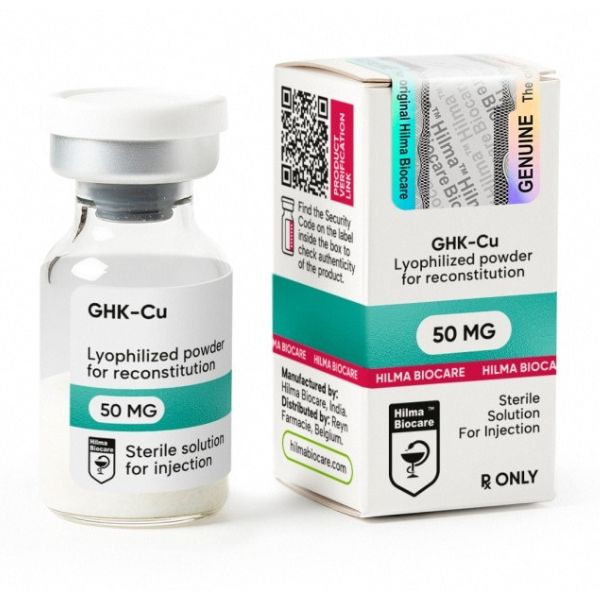
GHK-Cu 50 mg: copper peptide
GHK-Cu , also known as Copper Tripeptide-1, links the glycine-histidine-lysine tripeptide to a copper ion. This complex is being studied for its role in cell signaling, extracellular matrix renewal, and tissue repair.
Product Profile
| Characteristic | Product information |
|---|---|
| Substance | GHK-Cu (Copper Tripeptide-1) |
| Family | Peptide-copper complex |
| Shape | Powder |
| Total content | 50 mg |
| Packaging | 1 bottle |
Copper and cellular activity
Copper plays a role in the function of enzymes involved in tissue maintenance. The strong affinity of GHK for this element explains the complex’s interest in studying collagen production, antioxidant defenses, and inflammatory responses.
Research is also examining its effects on gene expression and blood vessel formation. These observations describe experimental biological mechanisms; they do not demonstrate overall rejuvenation of the organism.
Areas of study
- Tissue repair: healing, matrix remodeling and scar tissue organization, particularly in wound models with reduced vascularization.
- Skin structure: fibroblast activity, collagen synthesis, elastin and molecules associated with skin hydration.
- Cellular protection: modulation of oxidative stress, cytokines and inflammatory mechanisms.
- Connective tissues and hair follicles: exploring the repair processes and biological environment associated with hair growth.
Scope of data
The results depend on the experimental model and the formulation studied. Observations in the laboratory or with skin preparations are insufficient to establish the effects of an injection in humans, particularly on joints and ligaments.
Dosage and preparation
No validated clinical dosage has been established for this research presentation. The cycles and dose escalations described in some product information sheets do not constitute a therapeutic protocol.
In a research setting, the preparation and quantities used follow the applicable experimental protocol. Prepare each compound separately, using appropriate equipment; mixing in the same vial or syringe requires compatibility data.
Associations and conservation
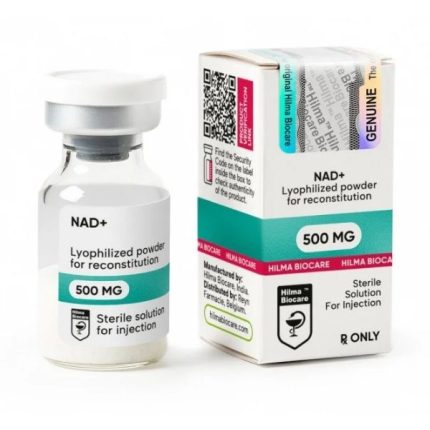
NAD+ and N-Acetyl Semax are mentioned among the combinations considered in the original information sheet. The difference in their mechanisms of action does not demonstrate either the safety or the efficacy of their combination.
The instructions specify that the powder should be stored in a cool place and refrigerated after reconstitution. The stated shelf life of 24 months before preparation and 30 days after preparation requires validation by the manufacturer for the specific batch, diluent, and conditions. The expiration date and packaging instructions are the definitive reference.
Precautions
Pregnancy, breastfeeding, active cancer, or a history of cancer require a specific medical evaluation. Human safety data are limited, particularly for the injectable route.
Local redness is among the reported reactions. Tolerance also depends on the purity, microbiological quality, and preparation of the product; interactions with other substances remain to be characterized.
Health and usage information
This page provides educational product information to help you make informed choices. It is not a substitute for medical advice. If you have a health condition or questions about dosage, consult a sports medicine physician or other healthcare professional.
Reviews
There are no reviews yet.