









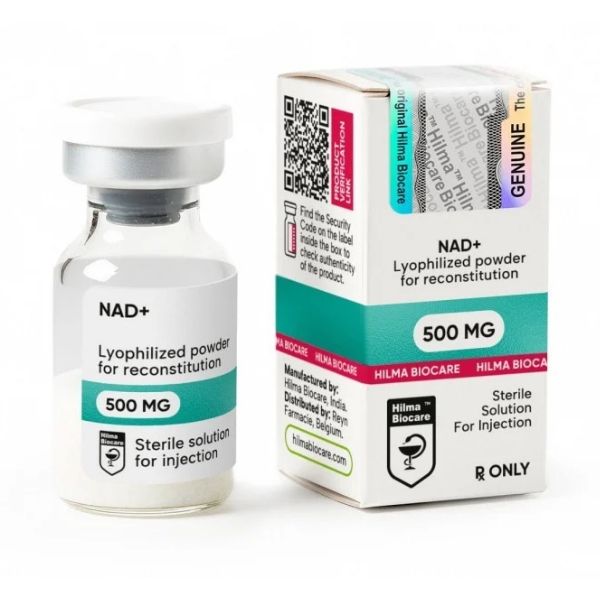
NAD+ 500 mg
NAD+ , or nicotinamide adenine dinucleotide, is a coenzyme involved in energy production and cellular function. It links nutrient metabolism to the reactions that fuel ATP production by mitochondria.
Product features
| Characteristic | Product information |
|---|---|
| Compound | Nicotinamide adenine dinucleotide (NAD+) |
| Class | Coenzyme |
| Presentation | Powder for injectable preparation |
| Bottle contents | 500 mg |
| Packaging | 1 bottle |
| Route described | Subcutaneous |
Role in the cell
NAD is made up of two nucleotides linked by their phosphate groups: one contains adenine, the other nicotinamide. It alternates between its oxidized form, NAD+, and its reduced form, NADH, by accepting and donating electrons.
- Energy: participation in redox reactions and mitochondrial ATP production.
- DNA: role as a substrate for enzymes involved in DNA repair and cell integrity.
- Regulation: participation in signaling pathways, metabolism and cellular responses to stress.
NAD+ availability and aging
The body synthesizes NAD+ and recycles it from its precursors and degradation products. Changes in its availability with age are among the avenues being explored for mitochondrial function, recovery, immunity, and cognitive function.
The biological role of this coenzyme must be distinguished from the clinical benefits of an injection: an effect on longevity, concentration or recovery is not guaranteed.
Progression described
The subcutaneous regimen shown uses a gradual increase. It is reproduced for descriptive purposes only and does not constitute a validated dosage:
| Period | Quantity and frequency |
|---|---|
| Weeks 1 to 2 | 25 mg, twice a week |
| Weeks 3 to 4 | 50 mg, twice a week |
| Weeks 5 to 6 | 100 mg, twice a week |
| Starting from week 7 | 100 mg, up to three times a week |
The 100 mg limit per injection mentioned in this regimen is not an established safety threshold. A burning sensation has been reported during administration.
Biological monitoring
Pre-use assessment and monitoring should be defined with a healthcare professional. Intracellular concentrations require interpretation tailored to the sample and analytical method; they do not, on their own, constitute a universal target for adjusting injections.
Associations mentioned
- Glutathione and B vitamins: combinations presented around antioxidant defenses and energy metabolism.
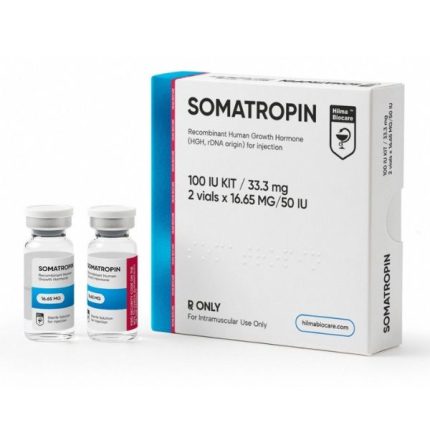
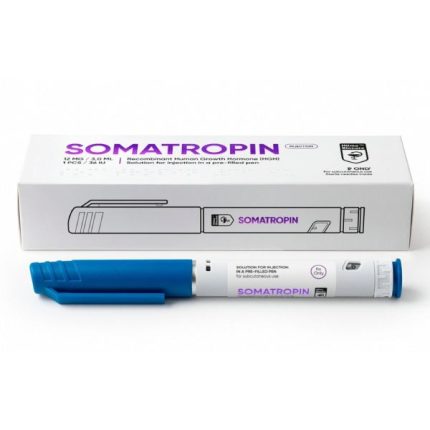
- HGH and BPC-157 : combinations suggested for recovery and muscle, tendon, and joint tissues. Their benefit and safety must be evaluated individually.
Preparation and storage
The powder is described for reconstitution with bacteriostatic water before subcutaneous administration. After reconstitution, store the vial in the refrigerator according to the manufacturer’s instructions.
Health and usage information
This page provides educational product information to help you make informed choices. It is not a substitute for medical advice. If you have a health condition or questions about dosage, consult a sports medicine physician or other healthcare professional.
Reviews
There are no reviews yet.