









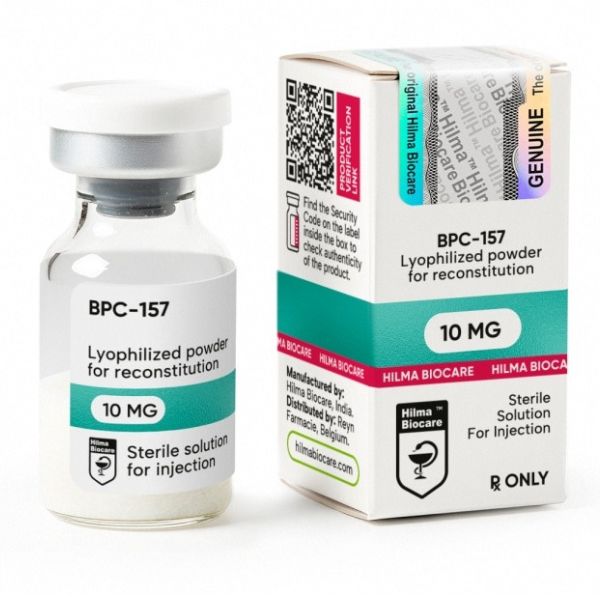
BPC-157 10 mg
BPC-157 , or Body Protecting Compound, is a synthetic peptide made up of 15 amino acids. Its experimental interest lies in the mechanisms of connective tissue repair, the digestive mucosa, and cell protection.
Product features
| Characteristic | Product information |
|---|---|
| Active ingredient | BPC-157 |
| Class | Peptide |
| Presentation | Powder for injectable preparation |
| Bottle contents | 10 mg |
| Packaging | 1 bottle |
| Scope of use | Research |
Mechanisms studied
- Tissue repair: experimental work explores the pathways of TGF-β and fibroblast growth factors, involved in cell proliferation and the formation of the extracellular matrix.
- Microcirculation: the activity studied on the VEGF pathway concerns the formation of new vessels and the supply of oxygen and nutrients to tissues.
- Inflammation: the mechanisms described include the modulation of cytokines, including TNF-α and IL-6, as well as the protection of cell membranes.
- Cellular protection: of interest for oxidative stress and apoptosis, particularly in models involving the liver, pancreas and heart.
Connective tissues and the digestive system
The areas studied include tendons, ligaments, muscles, bones, and skin following injury or physical stress. The other focus is on the gastrointestinal mucosa, in models of ulcers, colitis, and intestinal inflammation.
These experimental results do not constitute a demonstration of therapeutic efficacy in humans.
Quantities and terms described
The guidelines below are included in the product description and do not constitute a validated dosage:
- Daily range: 200 to 1000 µg, with 500 µg per day as the commonly mentioned amount.
- Reference point based on weight: 10 µg per kilogram of body weight.
- Suggested duration: 4 to 8 weeks.
- Routes mentioned: subcutaneous and intramuscular. Preparation and handling require sterile conditions.
Association mentioned with the TB-500
The combination with TB-500 is presented for the purposes of tissue repair and inflammation modulation, particularly in postoperative settings, tendon or ligament injuries, Achilles tendon injuries, and chronic tendinopathies. The clinical benefit and safety of this combination remain to be established.
Tolerance and precautions
The reactions mentioned include pain or swelling at the injection site, joint discomfort, changes in sleep, energy or appetite, increased heart rate, anxiety, and mood swings. Their frequency is insufficiently documented.
Medical advice is particularly important in the case of cardiovascular or neurological treatment, as well as in the presence of a history of cancer.
Health and usage information
This page provides educational product information to help you make informed choices. It is not a substitute for medical advice. If you have a health condition or questions about dosage, consult a sports medicine physician or other healthcare professional.
Reviews
There are no reviews yet.